
Essentials and Uses of Diamond Tools

Diamond tools have become indispensable in many industries due to their unmatched hardness and precision. Their applications span from cutting and grinding to polishing and drilling, especially when working with extremely hard materials. In this post, I will walk you through the essentials of diamond tool applications, explaining their uses, benefits, and practical considerations for various sectors.
Understanding the Uses of Diamond Tools
Diamond tools are engineered to handle the toughest materials. Their primary advantage lies in the diamond's natural hardness, which allows these tools to cut, grind, or polish surfaces that would quickly wear down conventional tools. Industries such as construction, electronics, aerospace, and jewelry rely heavily on these tools for precision and durability.
For example, in construction, diamond blades are used to cut concrete and stone efficiently. In electronics, diamond polishing pads help achieve the ultra-smooth surfaces required for semiconductor wafers. The versatility of diamond tools makes them essential for any application involving hard or abrasive materials.
Types of Diamond Tools and Their Applications
Diamond tools come in various forms, each designed for specific tasks:
Diamond Blades: Used for cutting concrete, stone, ceramics, and metals. They provide clean, precise cuts with minimal chipping.
Diamond Core Bits: Ideal for drilling holes in hard materials like concrete and stone, often used in construction and infrastructure projects.
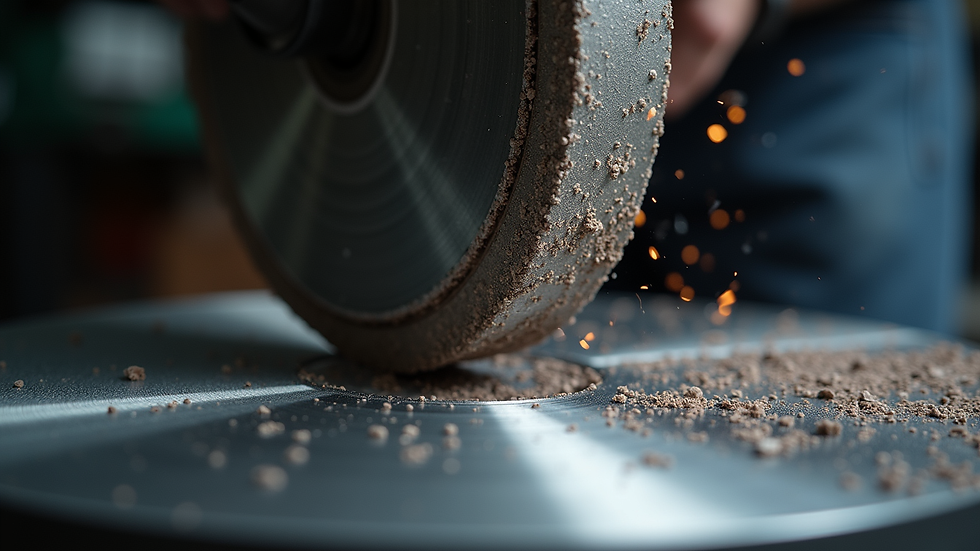
Diamond Grinding Wheels: Employed for shaping and smoothing hard surfaces, common in metalworking and aerospace manufacturing.
Diamond Polishing Pads: Used to polish surfaces to a high gloss, essential in optics, electronics, and jewelry making.
Diamond Wire Saws: Utilized for cutting large blocks of stone or concrete with precision and minimal waste.
Each tool type is designed to maximize efficiency and lifespan, reducing downtime and improving productivity.

Practical Uses of Diamond Tools in Industry
The practical applications of diamond tools are vast and varied. Here are some detailed examples of how these tools are used across different sectors:
Industrial Manufacturing
Diamond tools are crucial for processing hard materials like ceramics, glass, and metals. For instance, manufacturers use diamond grinding wheels to shape and finish metal parts with high precision. This ensures components meet strict tolerances and surface finish requirements.
Construction and Infrastructure
Contractors rely on diamond blades and core bits to cut and drill concrete, stone, and asphalt. These tools enable faster, cleaner cuts, which are essential for structural integrity and project timelines. Diamond wire saws are also used to cut large stone blocks for architectural purposes.
Electronics and Optics
In semiconductor fabrication, diamond polishing pads help achieve the ultra-smooth surfaces needed for wafers and lenses. This precision polishing improves device performance and yield. Diamond tools also assist in cutting and shaping delicate optical components without causing damage.
Jewelry and Gemstone Processing
Artisans use fine diamond tools to cut, grind, and polish precious stones. The hardness of diamonds allows for intricate shaping and finishing, enhancing the beauty and value of gemstones.
Aerospace and Automotive
These industries require diamond tools to machine specialty alloys and composites. Diamond grinding wheels and polishing pads help achieve the tight tolerances and smooth finishes necessary for high-performance parts.
Research and Development
Labs use diamond tools for prototype fabrication and materials testing. The precision and durability of these tools allow researchers to experiment with new materials and surface finishes.
Selecting the Right Diamond Tool for Your Application
Choosing the correct diamond tool depends on several factors:
Material Type: Hardness and abrasiveness of the material being worked on.
Tool Type: Cutting, grinding, drilling, or polishing.
Precision Requirements: Level of accuracy and surface finish needed.
Work Environment: Dry or wet cutting, speed, and machine compatibility.
Tool Life and Cost: Balancing durability with budget constraints.
For example, cutting reinforced concrete requires a diamond blade with a specific bond hardness to resist wear from the steel rebar. Polishing optical lenses demands a fine-grit diamond pad to avoid surface scratches.
I recommend consulting with suppliers or technical experts to match the tool specifications with your project needs. Proper tool selection maximizes efficiency and reduces operational costs.
Maintenance and Best Practices for Diamond Tools
To get the most out of your diamond tools, proper maintenance and usage are essential. Here are some best practices:
Use Appropriate Speeds and Feeds: Operating tools at recommended speeds prevents overheating and premature wear.
Keep Tools Cool: Use water or coolant during cutting or grinding to extend tool life and improve performance.
Regular Inspection: Check for wear, cracks, or damage before use to avoid tool failure.
Proper Storage: Store tools in a dry, clean environment to prevent corrosion or damage.
Dressing and Truing: For grinding wheels, periodically dress the surface to maintain sharpness and shape.
Following these guidelines ensures consistent results and protects your investment in high-quality diamond tools.
Future Trends in Diamond Tool Applications
The demand for precision and efficiency continues to drive innovation in diamond tool technology. Some emerging trends include:
Advanced Bonding Materials: New bonds improve tool life and cutting speed.
Hybrid Tools: Combining diamond with other abrasives for specialized applications.
Automation Integration: Tools designed for robotic and CNC machines to enhance repeatability.
Sustainability Focus: Developing eco-friendly manufacturing processes and recyclable tools.
Staying informed about these trends can help businesses maintain a competitive edge and meet evolving industry standards.
Diamond tools are a cornerstone of modern manufacturing and construction. Their unique properties enable precise, efficient work on the hardest materials. By understanding their uses, selecting the right tools, and maintaining them properly, you can achieve superior results in your projects.
For more detailed information on high-performance diamond tools, visit diamond tools to explore options tailored to your industry needs.


Comments