
Understanding the Cabbing Machine Process: How It Works Step by Step

When working with hard materials like gemstones, glass, or ceramics, precision and quality are paramount. One essential tool in this process is the cabbing machine. Over the years, I have seen how this machine transforms rough stones into smooth, polished cabochons, ready for use in jewelry or industrial applications. In this article, I will walk you through the cabbing machine process, explaining each step clearly and methodically. Whether you are new to this technology or looking to refine your understanding, this guide will provide practical insights.
Before diving into the details, if you ever wondered what is a cabbing machine, this article will clarify its purpose and operation.
The Cabbing Machine Process: Step-by-Step Explanation
The cabbing machine process is a systematic approach to shaping and polishing stones or other hard materials. It involves several stages, each designed to refine the material progressively. Here’s how it works:
Selecting the Rough Material
The process begins with choosing the raw stone or material. This could be a rough gemstone, a piece of glass, or a ceramic fragment. The quality and type of material will influence the final product’s appearance and durability.
Cutting and Shaping
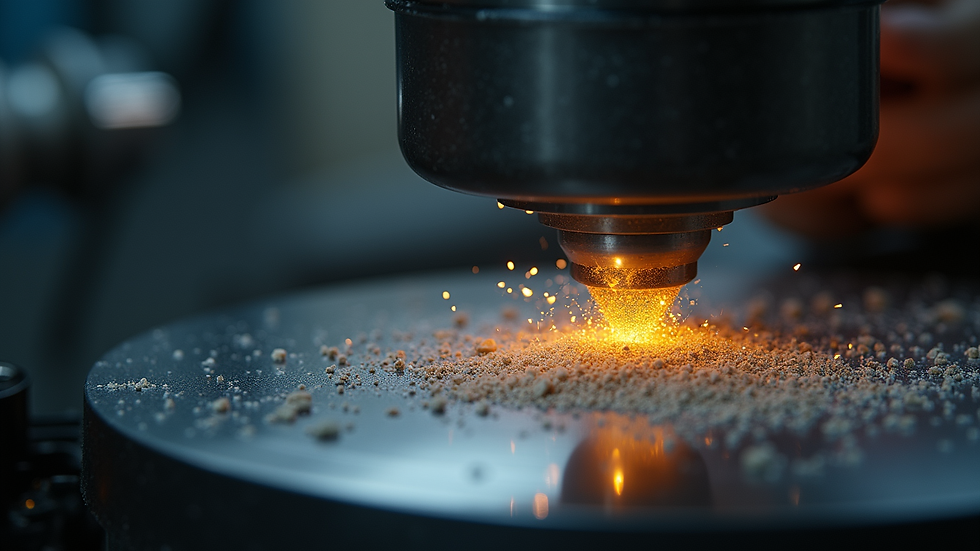
The rough material is mounted on a dop stick using wax or adhesive. This stick allows for easy handling during the process. The cabbing machine uses diamond-coated grinding wheels to shape the stone. Starting with a coarse wheel, the operator grinds the material into the desired shape, usually a dome or oval.
Sanding
After the initial shaping, the stone moves through finer grit wheels. This sanding phase removes scratches and smooths the surface. It is crucial to progress through grits systematically to avoid damaging the stone.
Polishing
The final step involves polishing the stone to a high shine. Polishing wheels with compounds like cerium oxide or tin oxide are used. This step enhances the stone’s color and clarity, making it ready for setting or further use.
Throughout the process, water is often used to cool the stone and reduce dust. This also helps prevent overheating, which can cause cracks or discoloration.
What is the difference between a cabbing machine and a faceting machine?
Understanding the distinction between a cabbing machine and a faceting machine is important for anyone involved in stone processing. Both machines serve to shape and polish stones, but their methods and outcomes differ significantly.
Cabbing Machine
The cabbing machine is designed to create smooth, rounded shapes called cabochons. These shapes have a domed top and a flat or slightly curved back. The process focuses on grinding and polishing without creating flat facets. It is ideal for opaque or translucent stones where the play of light is less critical.
Faceting Machine
In contrast, a faceting machine cuts precise flat surfaces, or facets, on a stone. These facets are arranged geometrically to maximize light reflection and brilliance. Faceting is common for transparent gemstones like diamonds, sapphires, and rubies.
In summary, the cabbing machine produces smooth, rounded stones, while the faceting machine creates multi-faceted, sparkling gems. Each machine requires different skills and tools, and the choice depends on the desired final product.
Key Components of a Cabbing Machine
To fully grasp how the cabbing machine works, it helps to know its main parts and their functions:
Grinding Wheels
These are the heart of the machine. Typically made with diamond abrasives, they come in various grit sizes. Coarse wheels shape the stone, while finer wheels sand and polish it.
Motor and Spindle
The motor powers the spindle, which rotates the grinding wheels at controlled speeds. Speed control is essential to match the material and stage of processing.
Water Supply System
A built-in water system sprays water onto the grinding wheels and stone. This cooling mechanism prevents overheating and reduces dust.
Dop Stick Holder
This fixture holds the dop stick securely, allowing the operator to maneuver the stone against the wheels with precision.
Work Surface and Safety Guards
The machine includes a flat work surface for stability and guards to protect the operator from debris and accidental contact with the wheels.
Each component plays a vital role in ensuring the cabbing process is efficient, safe, and produces high-quality results.

Practical Tips for Optimizing the Cabbing Machine Process
From my experience, following best practices can significantly improve the quality and efficiency of cabbing. Here are some actionable recommendations:
Start with Clean, Dry Materials
Ensure the rough stone is free from dirt or oils before mounting it on the dop stick. This helps the adhesive bond better and prevents contamination during grinding.
Use the Right Grit Sequence
Progress through grits gradually, for example, from 80 grit to 600 grit or higher. Skipping grits can leave scratches that are difficult to remove later.
Maintain Consistent Pressure
Apply steady, moderate pressure when grinding. Too much force can cause uneven shaping or damage the stone.
Keep the Water Flowing
Always use water during grinding and polishing. It cools the stone and wheel, reducing the risk of cracks and improving the finish.
Regularly Inspect the Wheels
Check for wear or glazing on the grinding wheels. Replace or dress them as needed to maintain cutting efficiency.
Practice Safety Measures
Wear eye protection and gloves. Ensure the machine’s guards are in place and the workspace is clean.
By following these tips, you can achieve consistent, professional results with your cabbing machine.
Why Precision Matters in the Cabbing Machine Process
Precision is critical in the cabbing machine process for several reasons:
Material Integrity
Hard materials like gemstones and ceramics can be brittle. Precise grinding prevents cracks and fractures.
Aesthetic Quality
The smoothness and polish of the cabochon affect its visual appeal. Precision ensures a flawless surface that enhances color and luster.
Fit and Function
In industrial applications, cabbed components must meet exact dimensions to fit into assemblies or devices.
Efficiency and Cost
Accurate processing reduces waste and rework, saving time and materials.
Achieving precision requires attention to detail, proper machine maintenance, and skilled operation. Investing in high-quality diamond tools and following the correct process steps will support this goal.
The cabbing machine process is a fundamental technique for shaping and polishing hard materials. By understanding each step, the machine’s components, and the differences from other tools like faceting machines, you can optimize your workflow and produce superior results. Whether for industrial manufacturing, jewelry making, or precision component fabrication, mastering this process is invaluable.
If you want to explore more about diamond tools and their applications, consider partnering with companies that specialize in high-performance diamond solutions. Their expertise and product quality can elevate your production capabilities and ensure consistent outcomes.


Comments