
Unlocking the Potential of Industrial Diamond Tools

In the world of manufacturing and construction, the demand for precision, durability, and efficiency is ever-increasing. Industrial diamond tools have emerged as a cornerstone in meeting these demands. These tools, embedded with synthetic or natural diamonds, offer unmatched hardness and cutting ability. Their applications span across industries, from cutting and grinding to polishing and drilling. Today, I want to explore how unlocking the potential of these tools can transform your operations, improve productivity, and reduce costs.
Understanding Industrial Diamond Tools and Their Applications
Industrial diamond tools are specialized instruments designed to cut, grind, or polish extremely hard materials. Diamonds, being the hardest known material, provide these tools with exceptional wear resistance and cutting power. This makes them ideal for working with materials such as glass, ceramics, stone, concrete, metals, and composites.
Some common types of industrial diamond tools include:
Diamond blades: Used for cutting concrete, stone, and metals.
Core bits: Essential for drilling precise holes in hard materials.
Wire saws: Employed in cutting large stone blocks or concrete structures.
Grinding wheels: Used for shaping and finishing surfaces.
Polishing pads: For achieving smooth, high-quality finishes on optics and semiconductor wafers.
Each tool is engineered to meet specific industrial needs. For example, diamond blades used in construction are designed to withstand high-speed cutting and abrasive conditions, while polishing pads for semiconductor manufacturing focus on achieving nanometer-level surface smoothness.

Understanding the right tool for your application is crucial. Selecting the appropriate bond type, diamond grit size, and concentration can significantly impact tool life and performance. For instance, softer bonds are better for cutting hard materials, as they allow the diamond particles to expose fresh edges, while harder bonds suit softer materials.
The Role of Industrial Diamond Tools in Modern Manufacturing
Industrial diamond tools have revolutionized manufacturing processes by enabling precision and efficiency that were previously unattainable. In sectors like aerospace and automotive, where specialty alloys and composites are common, these tools allow for intricate machining without compromising material integrity.
In electronics and optics, diamond tools facilitate the production of wafers, lenses, and substrates with exceptional accuracy. The ability to polish surfaces to a mirror finish is critical for device performance and reliability.
Moreover, construction and infrastructure projects benefit from diamond tools’ durability and cutting speed. Contractors rely on diamond blades and core bits to complete projects faster while maintaining safety and quality standards.
The versatility of these tools also extends to research and development. Laboratories use diamond tools for prototype fabrication and materials testing, pushing the boundaries of innovation.
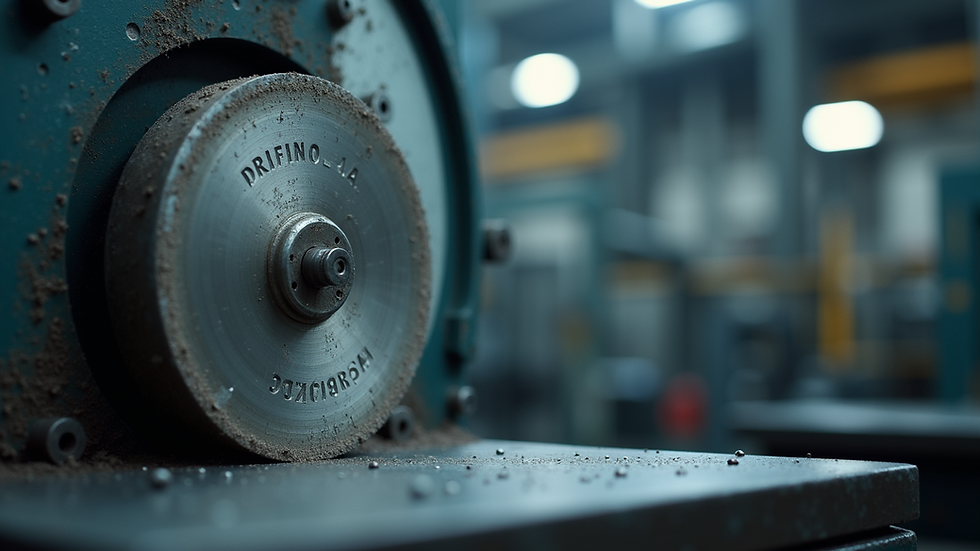
To maximize the benefits of industrial diamond tools, it is essential to:
Match the tool to the material and application: Avoid a one-size-fits-all approach.
Maintain proper tool usage and handling: Follow manufacturer guidelines to prevent premature wear.
Invest in quality tools: High-performance diamond tools offer better longevity and consistent results.
Train operators: Skilled handling improves efficiency and safety.
When did diamond tools go out of business?
This question often arises due to confusion between companies or brands with similar names. However, the concept and production of diamond tools have not gone out of business. On the contrary, the industry is thriving and continuously evolving. Companies specializing in industrial diamond tools are innovating to meet the growing demands of various sectors.
If you encounter a specific company named "Diamond Tools" that ceased operations, it is important to distinguish that from the broader industry. The technology and market for diamond tools remain robust, supported by ongoing research and development.
How to Choose the Right Industrial Diamond Tools for Your Needs
Choosing the right industrial diamond tools requires a clear understanding of your material, application, and desired outcome. Here are some practical steps to guide your selection:
Identify the material type and hardness: Different materials require different diamond grit sizes and bond types.
Determine the cutting or polishing requirements: Consider the precision level, surface finish, and speed.
Evaluate tool specifications: Look at diamond concentration, bond hardness, and tool design.
Consider operational conditions: Factors like wet or dry cutting, machine compatibility, and environmental conditions matter.
Consult with suppliers or technical experts: They can provide tailored recommendations based on your application.
For example, if you are cutting reinforced concrete, a diamond blade with a segmented rim and a medium bond hardness is typically effective. For polishing semiconductor wafers, a fine diamond grit polishing pad with a soft bond is preferred to achieve a smooth finish without damaging the substrate.
Using the right tool not only improves efficiency but also extends tool life, reducing replacement costs and downtime.
Maximizing the Lifespan and Performance of Diamond Tools
Proper maintenance and usage are key to unlocking the full potential of diamond tools. Here are some actionable tips to help you get the most out of your investment:
Use the correct operating speed: Exceeding recommended speeds can cause overheating and premature wear.
Apply appropriate pressure: Excessive force can damage the tool and the workpiece.
Keep tools cool: Use water or coolant when applicable to reduce heat buildup.
Regularly inspect tools: Check for wear, cracks, or damage before and after use.
Dress grinding wheels: This process exposes fresh diamond particles and maintains cutting efficiency.
Store tools properly: Avoid exposure to moisture or extreme temperatures.
By following these guidelines, you can ensure consistent performance and avoid unexpected failures.
Future Trends in Industrial Diamond Tools
The future of industrial diamond tools looks promising, driven by advancements in materials science and manufacturing technology. Some emerging trends include:
Enhanced synthetic diamond production: New methods are producing diamonds with superior properties at lower costs.
Smart tools with embedded sensors: These tools can monitor wear and performance in real-time.
Eco-friendly manufacturing processes: Reducing environmental impact while maintaining quality.
Customization and precision engineering: Tailored tools for niche applications and complex geometries.
Integration with automation and robotics: Improving consistency and reducing human error.
Staying informed about these trends can help businesses remain competitive and leverage the latest innovations.
Unlocking the potential of diamond tools means understanding their capabilities, selecting the right products, and maintaining them properly. Whether you are cutting concrete, polishing optics, or fabricating aerospace components, these tools offer unmatched performance and reliability. By investing in quality industrial diamond tools and following best practices, you can enhance productivity, reduce costs, and achieve superior results in your operations.


Comments